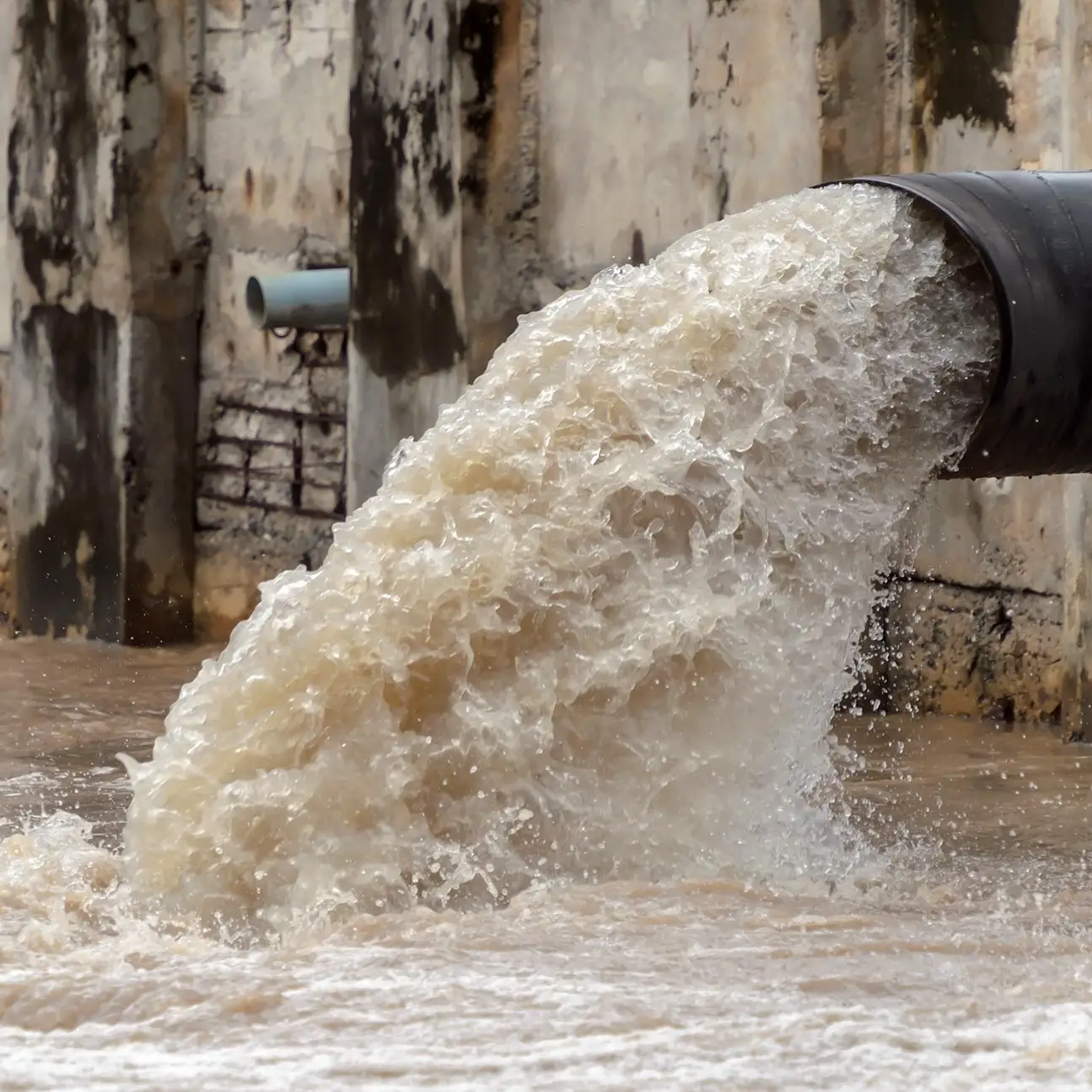
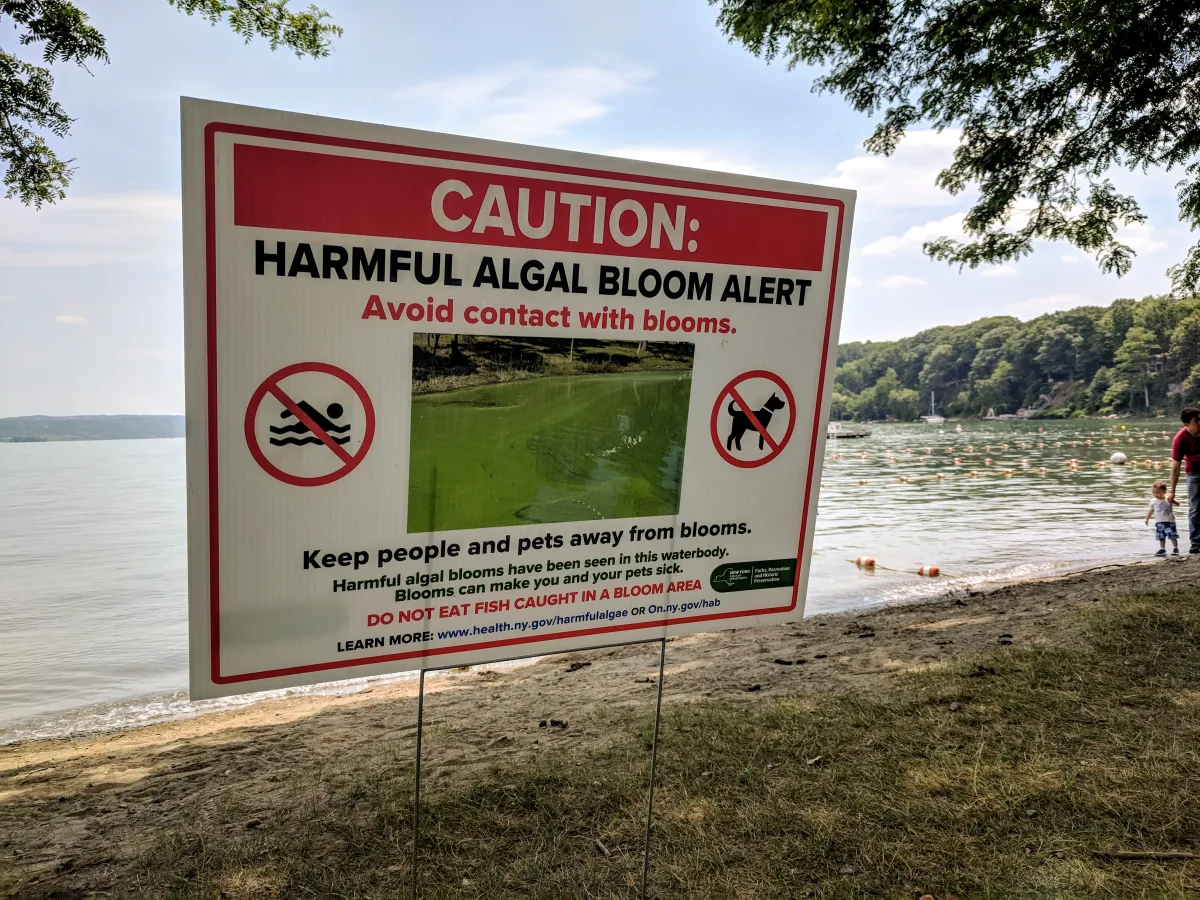
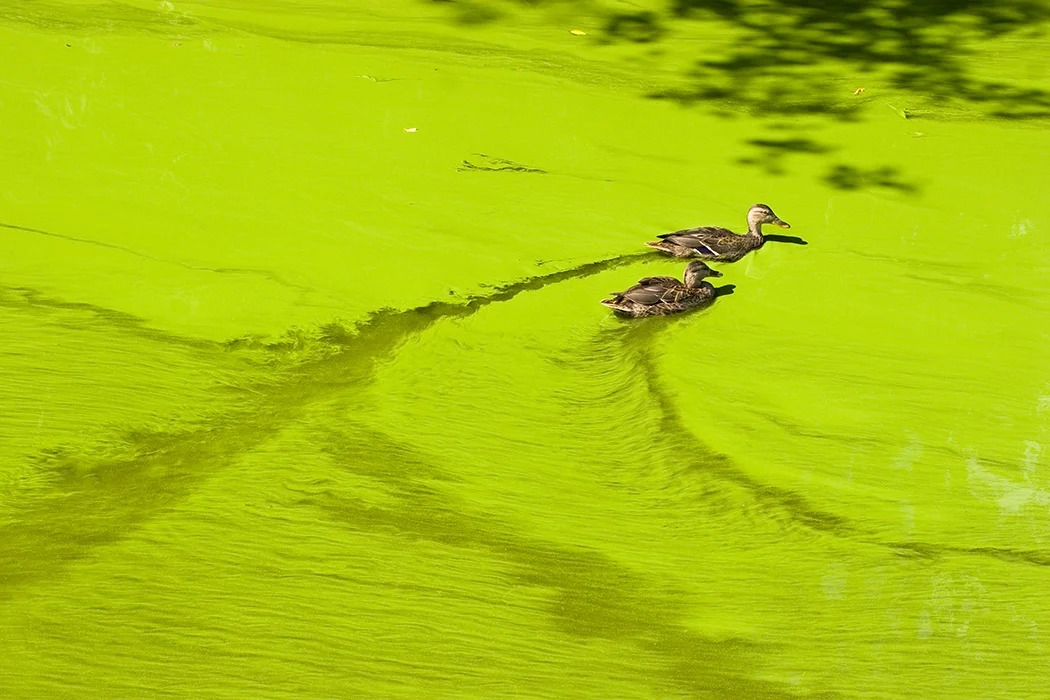
Human activities, such as agriculture, urban development, and sewage treatment, can introduce excess nutrients into bodies of water, leading to increased potential for HABs. When these nutrients (i.e., nitrogen and phosphorus) enter the water, they can trigger a process known as eutrophication, where the water becomes enriched with nutrients and promotes the growth of algae. If the algae that grow in response to these excess nutrients are harmful, they can form dense blooms that deplete oxygen levels in the water and produce toxins that are harmful to humans, wildlife, and the ecosystem.

Increased water temperatures: Warmer water temperatures promote the growth and reproduction of algae, which can lead to larger and more frequent HABs. Changes in precipitation patterns: Changes in rainfall patterns can impact nutrient runoff, which can trigger the development of HABs. Changes in water circulation patterns: Climate change can impact water circulation patterns (e.g., flood and drought), which can result in areas of still water that are more susceptible to HABs. Rising sea levels: Rising sea levels can cause saltwater to move further inland, impacting freshwater sources and potentially promoting the growth of harmful saltwater algae in freshwater environments..

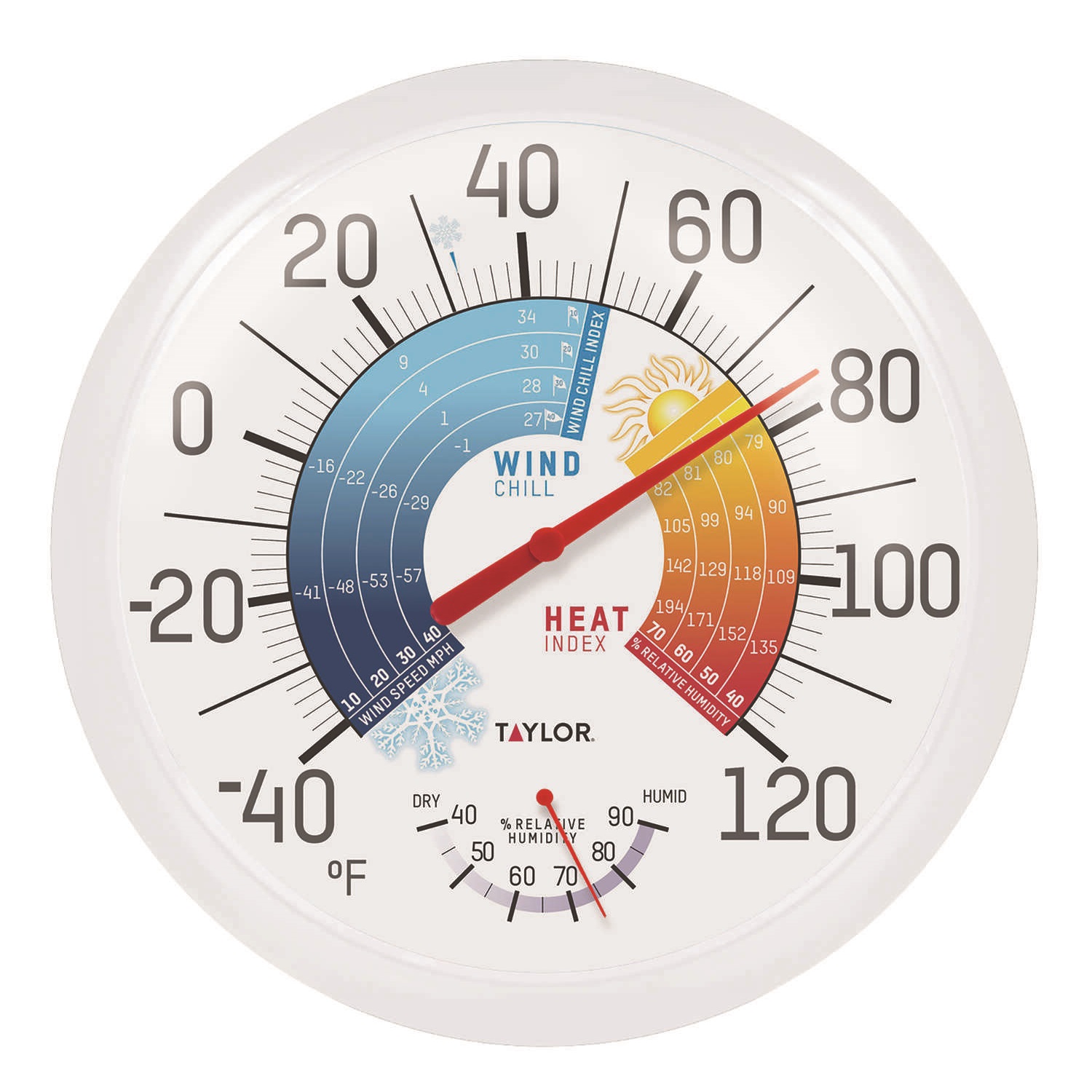
HABs are affected by lake temperature, rainfall distribution, wind speed, and direction. Lakes with higher temperatures are more prone to HABs because algae thrive in warm water. Low rainfall can lower the lake's water level, concentrating it and raising the HAB risk. Strong winds can disrupt thermal stratification in the lake, lowering HABs. However, continuous winds can cause upwelling, which brings cold, nutrient-rich water to the top, boosting algae growth.
Eutrophication, caused by an influx of nutrients such as fertilizers or pollutants, results in reduced water clarity, unpleasant odors and tastes, a rise of harmful algal blooms (HABs), the loss of aquatic organism populations, increased nutrient concentrations in primary producers, acidification, deoxygenation, and shifts in the aquatic food web. HABs have several negative repercussions on the environment and the economy, while toxins produced by HABs can threaten public health.
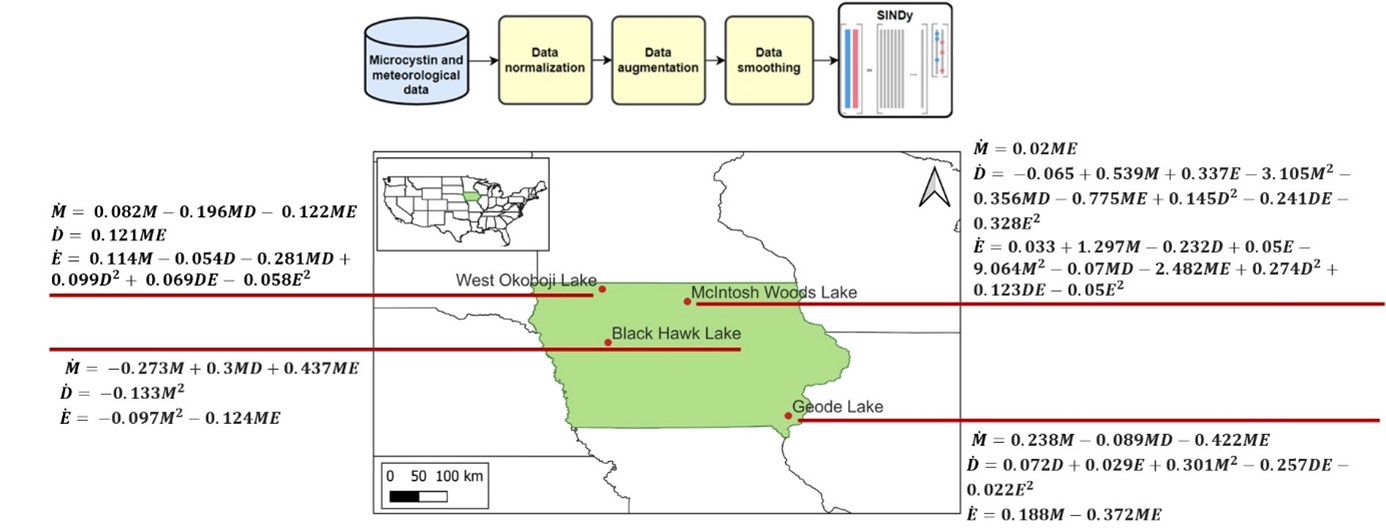
In this study, the algal toxin microcystin was modeled using the sparse identification nonlinear dynamics (SINDy) technique. Evaporation was used as a meteorological parameter and dissolved oxygen was used as a water quality indicator. SINDy is an innovative and cutting-edge method for reconstructing the analytical representation of a dynamical system by combining machine learning techniques with sparse regression. In addition, an interactive web platform controlled by the model was developed to promote environmental education, increase public knowledge of HAB-related concerns, and generate better solutions to HAB problems by using what-if scenarios. This online platform makes it possible to monitor the condition of HABs in lakes and see how certain factors affect the growth of harmful algae. On an interactive and user-friendly site, users may effortlessly share photographs of HABs in lakes, enabling others to monitor the lakes' status.
Reference: Baydaroğlu, Ö., Yeşilköy, S., Linderman, M., Demir, I. (2024) Modeling of Harmful Algal Bloom Dynamics and the Model-Based Interactive Framework for Inland Waters

If you have technical questions, suggestion and issues related to HALGIS, please contact Hydroinformatics Lab